In a world that’s constantly buzzing with screens, stress, and sleepless nights, more people are turning to time-tested natural therapies to restore balance and well-being. One such therapy — acupuncture — has been practiced for thousands of years and continues to grow in popularity today. But what exactly makes acupuncture so appealing, and why might you want to consider it?
What Is Acupuncture?
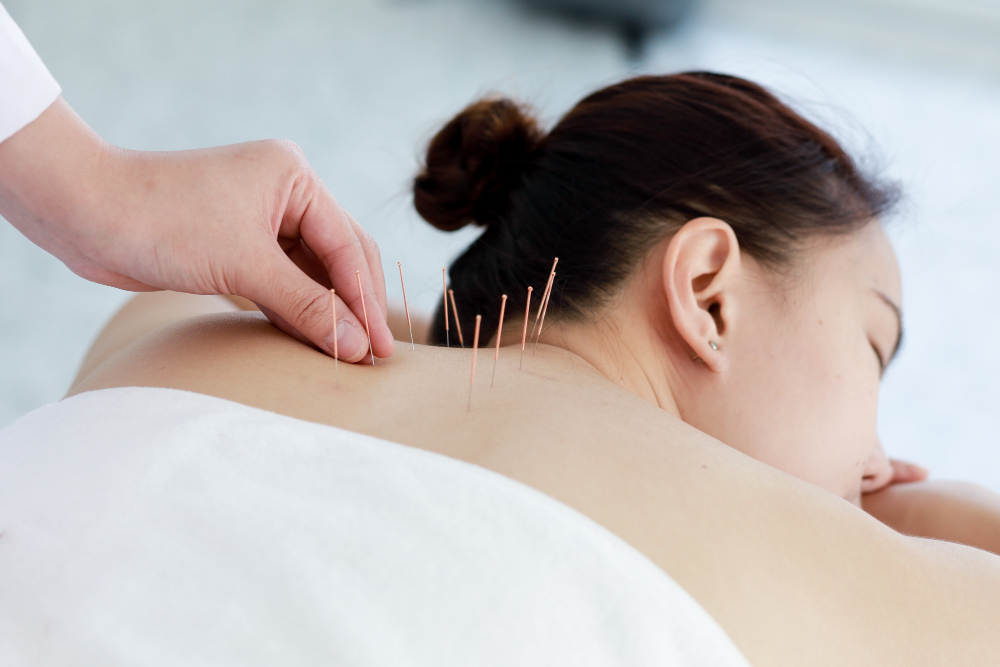
Acupuncture is a cornerstone of Traditional Chinese Medicine (TCM). It involves the gentle insertion of very fine needles into specific points on the body, called acupoints. According to TCM, these points lie along pathways known as meridians that carry life energy, or qi (pronounced “chee”). The goal of acupuncture is to balance the flow of this energy, helping the body heal itself naturally.
From a modern medical perspective, acupuncture may stimulate nerves, muscles, and connective tissue, increasing blood flow and triggering the release of natural painkillers — like endorphins — in the brain.
The Benefits of Acupuncture
People seek acupuncture for a wide variety of reasons. Here are some of the most common benefits reported by patients and supported by research:
- Pain Relief
Acupuncture is perhaps best known for its ability to relieve pain — from chronic back or neck pain to arthritis, migraines, and menstrual cramps. Many people find it to be a safe, drug-free alternative to pain medication. - Stress and Anxiety Reduction
Acupuncture sessions often leave patients feeling relaxed and centered. Studies suggest acupuncture can lower cortisol (the stress hormone) and help regulate the nervous system. - Improved Sleep
Struggling with insomnia or poor-quality sleep? Acupuncture can help calm the mind, support deeper rest, and reset sleep cycles. - Enhanced Digestive and Immune Function
By supporting balance in the body, acupuncture may improve digestion, ease symptoms of IBS, and strengthen your immune system — helping you fend off colds and seasonal illnesses. - Hormonal and Emotional Balance
Many people find acupuncture beneficial for PMS, menopause symptoms, and mood swings, as it helps regulate hormones and promote emotional well-being.
What to Expect During a Session
Your first session typically starts with a consultation about your health history, lifestyle, and concerns. The practitioner will then select acupuncture points tailored to your needs.
The needles are very thin — much thinner than those used for injections — and most people feel little to no pain when they’re inserted. Many describe the sensation as a slight tingling or warmth, followed by deep relaxation.
A typical session lasts 30–60 minutes, and many people leave feeling both energized and calm.
Common FAQs About Acupuncture
Q: Does acupuncture hurt?
Most people find acupuncture virtually painless. You may feel a tiny prick or a mild tingling sensation, but discomfort is rare.
Q: How many sessions will I need?
It depends on your condition. Some people notice improvements after just one or two sessions, while chronic issues may require a series of treatments over several weeks.
Q: Is acupuncture safe?
Yes — when performed by a licensed, trained practitioner using sterile, single-use needles. Always make sure your acupuncturist is certified by a recognized professional board.
Q: Can acupuncture be combined with other treatments?
Absolutely. Acupuncture is often used alongside Western medicine, physical therapy, massage, or herbal supplements for a holistic approach to healing.
Q: What if I’m afraid of needles?
That’s completely normal! The needles are extremely fine — about the width of a human hair — and many people are surprised at how relaxing the experience actually is.

No comment